Tuesday, February 18, 2025

Meet Jordyn and Amelia!

 Hello blog friends! Today I get to talk to you guys about our main character Jordyn, and her best friend Amelia. 

Kat Stratford & Lorelai Gilmore

To start off, Jordyn Diaz is a 17-year-old girl born on April 4, 2007, making her an Aries. We decided on this birthday for her since Aries' are known to be quite impulsive and energetic. When creating her, we decided to give her a quirky, unisex name, so we chose the name Jordyn. We gave her the personality type ESFP, meaning extroverted, sensing, feeling, and perceiving. Using an MBTI is a simple way for us to create her personality, and we can use it to understand how to portray her character.  When finding inspiration for her character, we wanted to make her aesthetic like Kat Stratford from the film 10 Things I Hate About You, we also want to make her personality like Lorelai Gilmore from the TV show Gilmore Girls. She's a very extroverted person who values friendship and excitement. She has a very specific aesthetic which I will be showing you guys through a mood board. To further show off her aesthetic and vibes, we decided to make a playlist for her that has bands that she likes. We will use posters of those bands as her room decoration. Here's the playlist!
Rory Gilmore & Elizabeth Bennet
Amelia Jackson is also 17, born on June 21, 2007, making her a Cancer. This birthday is important since the summer solstice fits into her sunny personality. Cancers are typically sensitive, loyal, and intuitive. Unlike Jordyn, we just looked up random girl names and came across the name Amelia. Her personality type is INFJ, meaning introverted, intuitive, feeling, and judging. We wanted to make her characters like Rory Gilmore from Gilmore Girls, and Elizabeth Bennet from Pride and Prejudice. She's a very relaxed and calm person, who also values friendship to a deeper level. Her vibe is very similar to Rory Gilmore's, here's a mood board to further develop her character. 
Jordyn's Mood Board
Amelia's Mood Board


Mariana (left) as Jordyn
Isabel Rodarte (right) as Amelia


They are going to play our main girls!

Thursday, February 13, 2025

Our Script!

 Hey guys! For our film, we need to set up a script or a storyboard. Due to the time crunch we're in, we decided that it was easier for us to work on our script this week. It was honestly really difficult to work on our script since we needed to find the right words to make sure it was not cringy. We have a really good idea of how we want our film to go, and that definitely helps our script. Here is our script! Some of the things might change, but I will keep you guys updated! 

“FILM TITLE” 

by

Elke Gomez, Mariana Aldana, Isabella Acosta

SHOOTING SCRIPT

February 14, 2025 

“FILM TITLE AGAIN”


Screen opens with a montage of JORDYN DIAZ and AMELIA JACKSON, photos/videos of them as children displayed on the screen.

JORDYN (V.O.)

I’ve known Amelia Jackson ever since the first day of sixth grade, and we have been inseparable ever since. We do absolutely EVERYTHING together


A montage of photos of Jordyn and Amelia flash across the screen, emphasizing their time spent together over the years.


INT. BEDROOM - DAY  

JORDYN’S BEDROOM. POSTERS ALL OVER THE WALL, HIGHLY DECORATED. A PILE OF CLEAN LAUNDRY LIES ON THE BED BESIDE AMELIA. SUNLIGHT FILTERS THROUGH THE WINDOW.


JORDYN sits at her desk writing in a notebook (offscreen), AMELIA is behind her laying on the bed, reading a book.

 JORDYN: 

(To Audience)

 Since it’s FINALLY our last year of high school, I decided that we needed a change of pace. 


AMELIA (checking her phone: the time reads “7:30”)


AMELIA: 

(Panicked)

 Oh god, it’s 7:30 already. (grabbing her bag) We're gonna be so late !! 


 AMELIA scrambles out of bed, EXITING and shutting the door behind her. CLICK. 

JORDYN puts away the journal she has been writing in. She fumbles with her bag. The door reopens. 


AMELIA:

Hurry up !!


JORDYN: TBD

(To Audience) 

Alright, guys, I’ll be right back, I have to go to school…


JORDYN grabs her bag, covering the screen (playful) 


BLACK SCREEN 

MAIN TITLES 

SCHOOL BELL RINGS. MUSIC BEGINS.


EXT. SCHOOL 

BUSY HALLWAY. STUDENTS LINGERING IN THE HALLS. LOUD TALKING. WE HEAR BITS AND PIECES OF TYPICAL ‘HIGH SCHOOL’ CONVERSATIONS/TALK.  


JORDYN and AMELIA walk through the busy hall, AMELIA is reading from the journal JORDYN had been writing in previously. JORDYN (expectant) waits for a reaction from AMELIA. AMELIA looks up from the journal, her expression unreadable.


AMELIA: 

(Exasperated) 

No…No way. A bucket list? 

Okay, one: that is (emphasized) SO cliche 

Two: How would we even do all this?

AMELIA begins to ramble, her voice fading out. JORDYN turns to the camera, rolling her eyes and grinning (playful)

JORDYN: 

(To audience about AMELIA)

She’s always like this. But she’s right.. (quickly) don’t tell her I said that. 

 I’ve gotta have a foolproof plan if she’s gonna go along with this. (frustrated) How can we even (emphasized) BEGIN to tackle the list? 

Still addressing the audience, JORDYN glances up and spots her solution. (Off-camera)

JORDYN:

(Looking back to Audience)

(Grinning) Talk about convenient. 

AMELIA’S voice fades back in, her arms crossed as she finishes her rant about how absolutely impossible JORDYN’S goal is.

AMELIA:

(annoyed) Jordyn?


JORDYN: 

(dismissive)


AMELIA: 

Hellooo, are you even listening?  Come on, we’re gonna be late-


JORDYN: 

(cutting AMELIA off)

 (Grabbing AMELIA’S shoulder) Amy (AMELIA) look, I just found our solution. 

JORDYN makes her way to the other side of the hallway, ripping the poster from the top of a board that she had spotted during her tangent.


JORDYN shoves the poster in AMELIA’S hands and reaches into her book bag to grab her journal. They flip through the pages of the bucket list until they find the right one. 


JORDYN, AMELIA: 

(AMELIA still looking down at the journal and JORDYN looks up at the audience)

List Item Number Seventeen, spend the night at a park

The item of the bucket list pops up on the screen it reads: #17 


JORDYN pulls AMELIA away to walk to class. The screen focuses on the poster, making the writing legible to the audience. Afterward, students start to walk across the hallway losing focus on the poster 


Picture of me working on the script in a Washington D.C. hotel!


Wednesday, February 12, 2025

The Summary of our Story!

 Hello! Yesterday, my group and I met after school to work on our project since I am currently on a flight to Washington DC, and will miss our class. We ultimately decided on what we wanted to do for our entire project. This is our plot.

Jordyn Diaz is in her senior year, and all throughout high school, she had been focused on school and not much on the social aspect. She and her friend Amelia Jackson have been best friends since middle school, and they've been inseparable ever since. At the beginning of her senior year, she decides that she's going to make a bucket list of things that she wants to complete before graduation. Some things range from getting a date to prom to something as outlandish as staying overnight at a random location. As she accomplishes certain items, things begin to get out of hand, and Jordyn needs to figure out how to fix her mistakes. 

The 5 stages of our plot are

    Exposition: Jordyn planning out her bucket list ideas alongside Amelia

    Rising Action: Jordyn and Amelia begin to cross off some bucket list goals

    Climax: Things begin to get out of hand and Jordyn and Amelia get caught. Amelia tells Jordyn that the bucket list isn't worth all of the trouble, and they have a falling out. 

    --In between the climax and the falling action-- One of Jordyn's teachers confronts her and asks what happened, since Jordyn's grades had begun to get worse the more she got involved with the bucket list. At prom, she realizes that she misses Amelia and their friendship.

    Falling Action: She goes back to Amelia and apologizes to her friend.

    Resolution: They are at graduation, and they realize that they accomplished everything on the list. 

A subplot for our story is a small romance, where all throughout the film Jordyn is trying to get a date to the prom so she can cross it off her bucket list. 

For our filming, we decided that we were going to make her break the fourth wall by directly talking to the audience. We want to make her talk to the camera as if they're a friend and have her interact with it. We were in between making it like a video diary of her documenting her senior year with her friend, but we wanted her to talk to the audience even when she was not recording. We are going to make the format similar to the film Easy A, where she does voiceovers, and then the scene cuts to her talking to the camera. 

I'm really excited to begin filming this project as soon as I get back from DC, and it really love our idea because we can expand it so much more. 

Here are some pictures of the notes that I took down during our meeting :)


Tuesday, February 11, 2025

Media Theory Research

 Hello readers! A very important aspect of our class is media theories and how we can integrate them into films we're analyzing or how we want to add them to our projects. For my film, I decided that the best media theory for me to analyze is the Character Types Theory by Vladimir Propp. His theory states that there are 7 different archetypes that characters can have that are defined by their "spheres of action."

The 7 different archetypes, alongside their role, are listed below.

1. The Villain: The villain is the character in the story who causes some type of destruction or harm in the story. They can be displayed as a bully, evil entity, or even an evil stepmother. This character is very likely to go head-to-head with the protagonist of the story. An example of this character type is Lord Voldemort from the Harry Potter Franchise.

2. The Donor (provider): The donor provides the hero with some sort of item that can help them defeat the villain and succeed. This character can be displayed as an old man who gives the hero a sword, or an animal who guides the princess to the right path in the forest. During their path, the donor might ask for a favor from the hero, and once they get what they want, they give the hero the item or piece of advice needed. An example of this character type is The Fairy Godmother from the fairytale and film Cinderella.

3. The Helper: The Helper is someone who successfully helps the hero to gain what they need to remove their problems and misfortunes from their life by using their own personal abilities. This role can be fulfilled by someone playing a sidekick. They can help the hero with some bumps they may come across. An example of this character is Donkey from the Shrek franchise.

4. The Princess (a sought-after person): This is someone who the
hero is looking to save. There are a few different ways that it can be displayed in film. Either a girl the hero is trying to save who is being tormented by the villain, or a missing person who the hero is trying to find and save. An example of this character archetype is Princess Aurora from the film Sleeping Beauty. 

5. The Dispatcher: The dispatcher takes the role of someone who alerts the hero that something villainous is occurring, and they help the hero take charge to prepare for what's coming next. This can be displayed by a smaller side character, a family member, or a townsfolk. An example of this character archetype is Albus Dumbledore from the Harry Potter franchise. 
6. The Hero: Propp defines a hero in two different aspects. One aspect of the hero is the "seeker." They agree and willingly go on a quest to defeat the evil. The other aspect of being a hero is the "victim." they're someone who was attacked by the villain, and they go fight the villain for "revenge" or freedom. An example of this character is Katniss Everdeen from The Hunger Games franchise since she goes against the Capitol. 


7. The False Hero: The False Hero is someone who takes credit for the quest and the defeat of the evil. It is typically someone who is first displayed as a good person, but then it is revealed that they are obviously corrupt. A great example of this character is Hans of the Southern Isles from the film franchise Frozen. 


Overall, all of these characters are important in their own way. But for my coming-of-age genre, I will be doing the hero, the villain, and the helper. The hero will be played by our main girl who tries to overcome whatever problems get thrown at her. The villain will be played by a mean girl bully or a teacher who picks on her for no reason. The helper will be played by her best friend, we're not sure if we're going to make her a main character or just a side character. 

Citations used:
Media Studies. (2024, March 9). Vladimir Propp’s 7 character types and narrative theory.
        https://media-studies.com/propp/

Monday, February 10, 2025

Group Meetings #1

 Hello readers! Today in class, we had group meetings! We met with people from other groups and gave each other input on our project ideas. This was honestly a lot of fun and really informative. I'm really glad I was able to get outside advice from people I don't know because it was really helpful. We all went around and told each other our ideas for our film openings and shared our blog URLs with each other, and we gave each other a lot of feedback. Unfortunately, I didn't really get much feedback for our film opening idea and neither did my partner, which I don't know if to take as a good thing or a bad thing... Nevertheless, they asked me really valid questions which helped me gain more insight and ideas on how to develop my project. Here are some of the questions I was asked. 

    "Are you going to use Foley in your film opening?" Currently, I feel like our idea isn't fully planned out to see if we're going to use Foley.

    "How are you going to transmit the fourth wall idea to the audience?" We are going to make our main girl talk directly to the audience, while also talking to other characters in the film.

    "How are you going to do the sound?" Since we were planning on filming our girl walking in the hallway, we came across some obstacles when figuring out how to display the sound. We have decided on two potential ideas. 1. Either film our girl during the passing period and add a microphone onto her so we can hear her dialogue or 2. Film her walking down the hallway while it's empty and add background noise of teenagers/people talking. We still haven't decided which of the two to do, but I will update on what we decide on! I was also told that if I were planning to film it in an active hallway, then to make the film take place in the 2020s due to the outfits that people wear. 

    "Who is going to play your main girl?" We have decided to either get one of our group members Mariana to play her, or search outside of us three!

Besides just the questions, I was talking to people in my group and they said that it was important to really focus on the characters and their developments since that's a really important factor in coming-of-age movies! And they were also glad that I wanted to focus on the friendship aspect of the coming-of-age genre, instead of trying to fit romance into it or make it a main aspect of the film. I was also told that it's really important that the outfits are really colorful, and to have the setting colorful as well. We went around and told each other what films or other sources helped inspire our film, and the one I said was "Judy Moody and the Not Bummer Summer." I love the colorful aspects of this film, and I love how silly it is, and I would love to be able to transmit that into my film opening. 

I also got a lot of helpful resources from this kid in my group, which I definitely will see myself using!

For screenplays: https://www.simplyscripts.com/

For sound: https://pixabay.com/

                  https://www.epidemicsound.com/

                  https://www.bulletproofbear.com/

                  https://www.bensound.com/

                  https://splitter.ai/

For fonts: https://fonts.adobe.com/

                 https://www.dafont.com/


Friday, February 7, 2025

What are 'title cards' and why are they SO important??

An analysis of title cards and their fonts

When watching visual media, title cards will likely be the first thing you see. They're very important since they help set the tone for the rest of the film, while also allowing audiences to understand what they are going to get into. Title cards have some sort of correlation with the rest of the film, they either match the aesthetics or provide a sneak peek. To be more specific, title cards are text-based frames in films that help display the title or other pieces of information, such as "based on a true story" or a time jump.
Emma. (2020)
 A good example of an iconic period piece title card is the film Emma. The font chosen is very regal, and the color palette helps emphasize the aesthetics and tones for the rest of the film 

While having title cards in films is very important, something that is also important is to have a specific understanding of the use of font. Having a certain font chosen for films is crucial since it can significantly impact how audiences perceive the film, genre, mood, and period. Different genres of films use different characteristics for their fonts, for example, horror is more jagged and distorted. 
It (2017) 
The film It (2017) has a specific font that is both haunting and intriguing, which helps emphasize the tones of fear and curiosity within the film. 
Example of Star Wars merch
Fonts are also crucial because they help create a brand identity. Some fonts have become so iconic that they can be recognized even if it has nothing to do with the original content. For example, the font for the film franchise Star Wars is widely known, and people make up their own interpretations and merch.  Despite the font not saying "Star Wars", the popularity of the film has led it to be widely recognized by many audiences, even people who haven't seen the films yet.
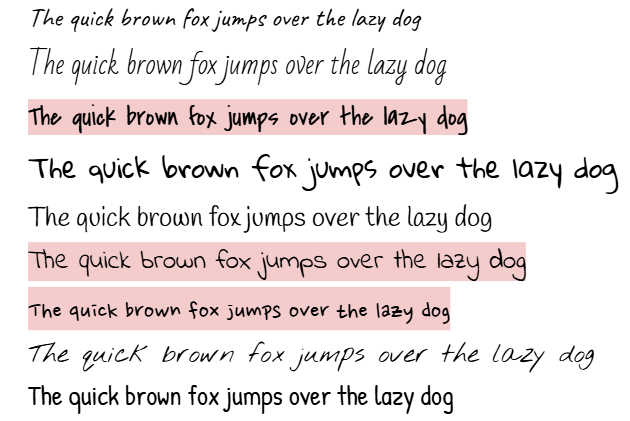
For our film and genre, I believe that it is important we include more personal factors in the font. To tie in the coming-of-age genre, I feel that is important to have a handwritten font. This can draw in themes of youth and personal growth. 
These are some potential fonts that we can use for our film. The highlighted ones are my favorites, but I believe that all of these fonts help emphasize our genre and our potential plotline. 


Wednesday, February 5, 2025

Creating a timeline!

 Hey! One thing that I have learned in this class is the importance of having a schedule and a timeline. For our project, this is the schedule that we have curated for the duration of 8 weeks.

Timeline:  

Week One (1/29-2/2) 
  • Research on our potential genres
Week Two (2/3-2/9)
  • Figure out the plotline (beginning, middle, and end)
  • Character (mise-en-scene and mood boards) and their motivations
  • Begin planning our story board.
  • Figure out schedule for filming days.
Week Three (2/10-2/16)
  • Figure out our actors and filming locations. 
  • Write our script
  • Possibly begin filming
Week Four (2/17-2/23)
  • Continue or begin filming. 
  • Record voice overs and find foley (if needed)
Week Five (2/24-3/2)
  • Finish filming or refilm any scenes
  • Begin the editing process
Week 6 (3/3-3/9)
  • Finish editing for film opening
  • Plan ideas for CCR
  • Film/focus on CCR
Week 7 (3/10- 3/16)
  • Finish filming on CCR
  • Editing on CCR
Week 8 (3/17-3/25)
  • Buffer week! Anything that bleeds over from the CCR and film opening
My group and I are going to try to follow this schedule as much as we can! We need to make sure that we manage our time properly so we can finish all of our tasks per week. 

Tuesday, February 4, 2025

Opening Credit Analysis!

Hey! One of our assignments is to analyse the opening credit scene in 3 different films. Having an opening credit scene is widely important because it helps set the tone and the mood for the rest of the film. It gives the audience a sneak peek of the style of the movie and the atmosphere before the film really begins. Most of the time, the opening credits aren't the main focus since the credits are added while the opening scene is going on. But, the opening credits help highlight the most important cast and crew, which can help prepare the audience for what they are about to experience. My group and I are still figuring out what we want to include and how we want to do our opening credits, but the research and the viewing of these three films can help lead us in the right direction.
Mean Girls (2004) Directed by Mark Waters

This iconic scene in the blockbuster hit Mean Girls helps introduce the main character of Cady Heron.
The opening credits of the movie match the aesthetic of the rest of the film. The iconic font that is utilized to display the main actors and the cast is also used for the title of the movie. This sequence of opening credits is the most typical way that it can be used since it's being shown while the rest of the
opening scene is being displayed. Something unique is that the main production company and actor are shown in the first thirty seconds of the film, with the title card following right after. The rest of the cast and crew's names don't show up until Cady arrives at North Shore High, despite a sequence of backstory scenes being shown before. This can be implied that the director wants the audience to focus on Cady's backstory instead of the credits. The first 30 seconds of the film is something that I would like to include in my film to draw attention to the main producers and actor of the film. 
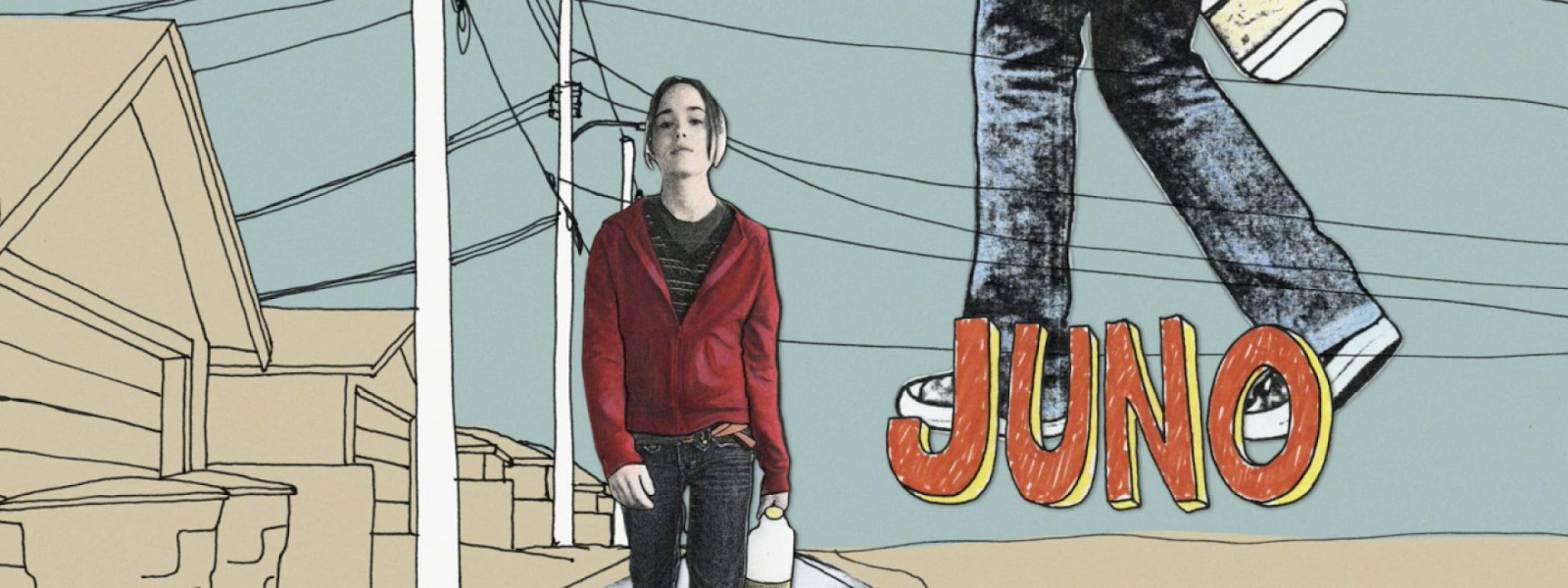
Juno (2007) Directed by Jason Reitman
This credit scene for the film Juno is very unique. The directors took the creative ability to animate Juno McGuff and the rest of the characters for the credits. The animation visually reflects the quirky,
childish, and unique personality of Juno's character. The credit scenes are shown after the opening scene where we learn a little about the backstory of Juno's character. According to the article about Juno by Watch the Titles, it is states that "this allowed the audience to really get a sense of, and get immersed in, Juno's unique, quirky point of view of the world." This opening sequence helps us understand the character before the movie really beings. The animation portion of the film is something that would be fun to include in our film opening to add different aspects of media. 
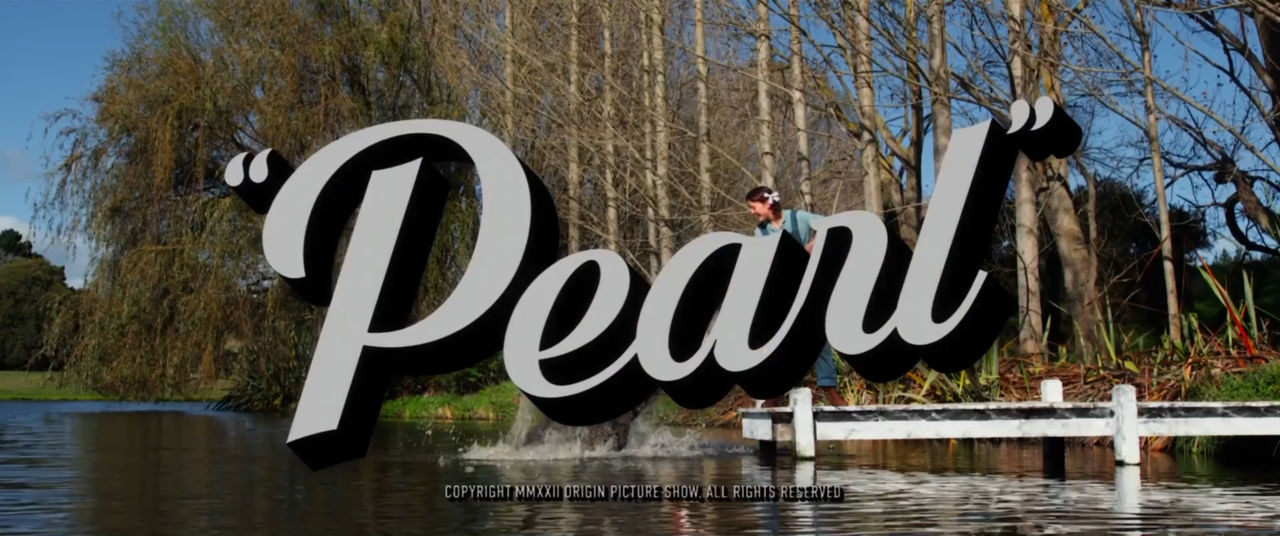
Pearl (2022) Directed by Ti West. 
Click HERE for opening credits. 
This film is a little bit of a different take on coming-of-age, but it is still considered a CoA film. Out of all of the openings, this one might be my favorite. The opening scene of this film displays a really good characterization for Pearl, by showing that she values fame, grace, and herself. The film is taken place in 1918 and the font perfectly acknowledges that fact. The way that the text is places is also a stereotypical way of how films used to be credited. The credits follow Pearl while she's doing different tasks in her farm. This emphasizes the focus and importance of mentioning the cast and the crew.
The opening credits can be really deceiving since it has no mention of what occurs in the rest of the film.Towards the end of the opening scene, the true character of Pearl is shown, which can be a huge twist since she is displayed as an innocent person. The last shot of the opening title pauses on the scene where Pearl feeds the duck to the alligator and the title "Pearl" is fully displayed on the screen, paralleling the bold actions and behaviours that happen throughout the course of the film. 


Monday, February 3, 2025

Opening Scene Analysis!

Hello! We have finally decided what genre that we are going to do. We have decided to do coming-of-age! I love coming-of-age movies, and one of our assignments is to analyse 3 film openings. The movies that I chose are Lady Bird, Pitch Perfect, and Easy A. All of these movies have different subgenres within the overall coming-of-age umbrella. It is important to pull different movies from the genre to be able to widely understand it as a whole. 
Lady Bird (2017) Directed by Greta Gerwig
The opening scene of Lady Bird is really important because we learn the relationship that she has with her mother early on. The opening scene of her lying close to her mother in the hotel bed leads us to believe that they have a close relationship. This is further proved in the car when they both bond over the audiobook. Things rapidly change when they begin to talk about college and they get into a fight,
which leads Lady Bird to jump out of a moving car. The film Lady Bird takes a dramatic subgenre of the coming-of-age genre. In this opening scene, we also get to understand Lady Bird and her mother's character. Lady Bird is painted as an obedient child by wearing floral pajamas, but a hint of rebellion is shown through her painted nails and her colored hair. The audience will eventually learn that she values liberal arts and wants to go to a college that focuses on that. This is displayed through her costuming and her dialogue. Making our opening scene similar to the theme and subgenre of Lady Bird can be a good option, but we need to make sure that we properly represent and introduce our main character. 

Pitch Perfect (2012) Directed by Jason Moore
This film's opening scene is drastically different from Lady Bird's. The approach of Pitch Perfect is more of a comedy subgenre instead of drama. This movie can be considered a musical movie due to the huge presence of a cappella. This opening scene follows the Barden Bellas and the Treblemakers during their performance. It immediately sets the high-pressure setting of competing in collegiate a cappella, while also focusing on the character of Aubrey. She is shown to be a very anxious person which is
shown through her actions at the end of her solo. The opening scene helps set the tone for the rest of the movie by showing a high-stakes situation, while also working in comedy. Despite the opening scene not introducing the main character Becca, it still does a good job of showing the world and a preview of Becca's experience being in the Barden Bellas. We need to look at the comedic lens of a coming-of-age film to get potential ideas for our opening scene, while also making sure that it doesn't come off as cringy. 

Easy A (2010) Directed by Will Guck
This film, similar to Pitch Perfect, focuses a lot on the aspect of comedy within coming-of-age films.
 This opening scene displays the stereotypical high school environment that is usually displayed in the media, while also showing off the setting of the film. The film quickly introduces the main character Olive Penderghast as the narrator of the story. Her narration can serve as a foreshadowing of the future events that happen in the film by telling the audience what happened but without detail, letting the audience stay engaged with the film. This film also highlights important topics that happen in everyday life, more specifically the dangers of gossip since Olive's life spirals out of control after she tells her best friend a lie. This was an important film to choose from since it can be easily relatable to people in high school, and we can gather different ideas from it. Something that can be incorporated is the shots of Olive talking to her video camera. 

We made sure to pick movies of characters who are transitioning from high school to college or already attending college since my partners relate to that the most, and we can get our target audience of older teenagers for this film. It's important to gather coming-of-age films that tackle different topics and subgenres so we have a wider view and idea of what to do with our own film opening. 


Saturday, February 1, 2025

Genre Research for Film Openng

 Hi so! For our genre, my group and I explored different possibilities for the genre that we were going to do. We talked about doing horror or mystery, but we ultimately ended up choosing to do either coming-of-age or romantic comedy! 

Many different aspects make a coming-of-age film a coming-of-age film! these are just some basic ones that we have to make sure to include. Most coming-of-age (COA) films typically make sure to focus on displaying the personal growth from teenage to adulthood in the character, which can lead for audiences to relate to. It's hard to define what a COA film really is since it's such a broad genre, but for the most part they teach the characters and the audiences alike a specific life lesson. Here are some examples of COA films. 

Eighth Grade (2018) Directed by Bo Burnham

Lady Bird (2017) Directed by Greta Gerwig
The Perks Of Being A Wallflower (2012) Directed by Stephen Chobsky


The other genre that were are thinking of doing is romantic comedy! I personally am a huge fan of rom-coms, and there are many different ways to approach this genre. They mainly follow characters through their love story in a lighthearted and comedic way. Most of the time, they have misunderstandings between the characters and heartfelt moments, which most often lead to a happy ending. A lot of romantic comedies feature a light color to parallel the light-hearted and happy tones of the films. Here are some examples of some iconic rom-coms!

13 Going On 30 (2004) Directed by Gary Winick

10 Things I Hate About You (1999) Directed by Gil Junger

Notting Hill (1999) Directed by Roger Michell 


Thursday, January 30, 2025

Transitioning into the Portfolio Project!

 Hello everyone! 
We have reached the time of year when we get to tackle the film opening project! All of the assignments, lessons, and blogs we've completed so far have properly prepared us for this project. I'm really excited to dive into it and expand my creative abilities! 


We learned about the most important aspects to include in a film opening, and some things seem like common sense, but they're helpful to ensure we don't forget anything! Here are some things that we learned to include.

Some aspects that I am definitely going to try to include are establishing the background and the setting. It's really important to establish these two factors so the audience is well aware of everything before the story really begins.

When beginning to plan our film opening, my group and I were having a hard time trying to come up with our genre. We ultimately decided on either doing a coming-of-age film opening or a romantic comedy. We looked for different movies that had the same vibe as our film opening. 


These movies give off a carelessness-teenage vibe, which is exactly what we want to display through our film opening. Our approach to this project is to focus on developing our main character. Coming-of-age and rom-com movies do a very good job of showing who the characters is through mise-en-scene, more specifically their rooms and their costumes. These genres are also very light-hearted, and this is displayed through set design and costuming. 

I'm really excited to begin this project, and I'm glad you guys are coming on this journey with me!


Links to my project!

 Hey guys! Here are the links to my film opening and CCR's. Enjoy!